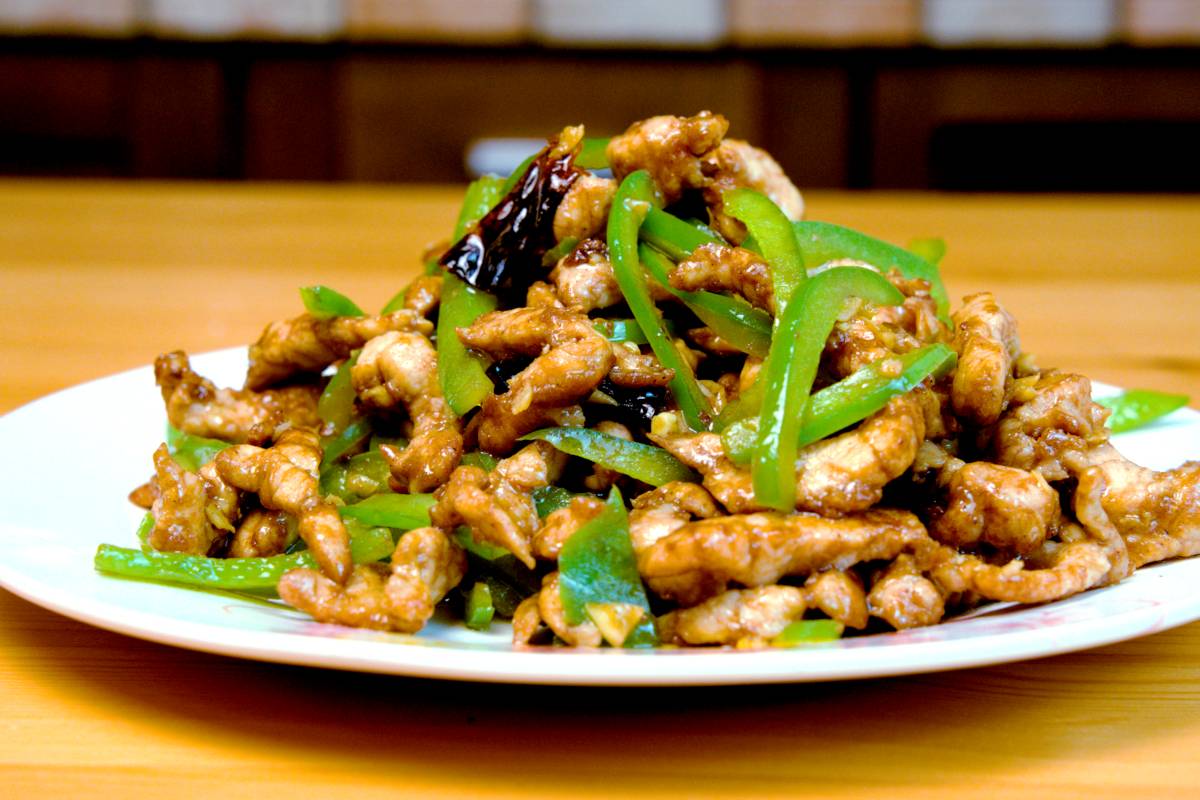
How to Make the Ultimate Juicy Pork & Pepper Stir-Fry
There's something uniquely satisfying about a perfectly executed stir-fry – a symphony of textures and flavors coming together in a single, vibrant dish. And when it comes to a truly crave-worthy weeknight meal, a well-made
pepper pork stir fry stands out from the crowd. Imagine tender, succulent strips of pork, crisp-tender vegetables, and slippery rice noodles, all coated in a sticky, sweet, savory, and spicy black pepper sauce. This isn't just any stir-fry; it's the ultimate juicy pork and pepper stir-fry, designed to impress and delight.
This article will guide you through the essential techniques and insider tips to elevate your
pork and pepper stir fry from good to unforgettable. We���ll delve into the secrets behind achieving perfectly tender pork, crafting a dynamic sauce that hits all the right notes, and mastering the art of stir-frying various components to perfection. Get ready to transform your kitchen into a hub of aromatic deliciousness!
The Secret to Irresistibly Tender Pork
The foundation of any great stir-fry is, of course, the protein. For our ultimate
pepper pork stir fry, achieving melt-in-your-mouth tenderness is paramount. Forget tough, dry meat; we're aiming for juicy perfection every time.
To start, choose the right cut of pork. Lean cuts like pork tenderloin or loin chops are excellent choices, as they cook quickly and remain tender when treated correctly. You can also use thin-cut pork shoulder or even pork belly for a richer flavor profile, just be sure to slice it thinly against the grain. Slicing against the grain shortens the muscle fibers, making the pork inherently more tender.
Next, consider a quick marinade. While the reference context notes it’s not strictly necessary, a brief marination (even just 15-30 minutes) can significantly enhance both flavor and tenderness. A simple marinade might include a touch of soy sauce, rice wine vinegar, a dash of sesame oil, and a teaspoon of cornstarch. The cornstarch, in particular, creates a protective coating that locks in moisture and helps the pork achieve that silky texture often found in restaurant stir-fries. Don't forget to pat the pork dry before cooking to ensure a good sear.
Masterful Searing for Maximum Juiciness
This is perhaps the most crucial step for tender pork. The biggest mistake home cooks make is overcrowding the pan. When you add too much meat at once, it drastically lowers the pan's temperature. Instead of searing, the pork begins to stew in its own juices, resulting in tough, grey meat that lacks flavor and texture.
The trick is to cook the pork in small batches. Use a well-heated wok or a large, deep skillet – we’ll discuss equipment more later. Add a small amount of oil and let it shimmer. Then, add a single layer of pork, ensuring each piece has space. Resist the urge to move it immediately. Allow the pork to sear undisturbed for 1-2 minutes until it develops a beautiful golden-brown crust. This browning, known as the Maillard reaction, creates incredible depth of flavor. Flip and sear the other side briefly. Once cooked through and nicely browned, remove the batch of pork from the pan and set it aside. Repeat with the remaining pork until all batches are cooked. This method ensures that each piece of pork is perfectly seared and sealed, retaining its juiciness and absorbing the flavors of the subsequent stir-fry steps.
Crafting the Dynamic Black Pepper Sauce
The sauce is the soul of our
pepper pork stir fry, tying all the delicious elements together with its irresistible blend of spicy, sweet, savory, and tangy notes. Our ultimate sauce has plenty of kick, driven by a generous amount of black pepper, balanced with other classic Asian pantry staples.
The core ingredients for this dynamic sauce typically include:
* **Black Pepper:** Not just a pinch, but often a full two teaspoons or more for that signature spicy warmth. Freshly ground black pepper will offer the most aromatic punch.
* **Garlic & Ginger:** Aromatic powerhouses that provide depth and zest. Freshly minced is always best.
* **Soy Sauce:** The savory backbone, providing umami and saltiness.
* **Honey (or Brown Sugar):** For sweetness that balances the pepper's heat and helps create that coveted sticky texture.
* **Rice Wine Vinegar:** Adds a touch of tanginess, cutting through the richness and brightening the overall flavor.
* **Broth or Water:** To thin the sauce to the right consistency.
* **Cornstarch Slurry:** A small amount of cornstarch mixed with water helps thicken the sauce to a luscious, clingy glaze.
Combine these ingredients in a bowl before you start stir-frying. This allows you to whisk them together thoroughly and ensures a smooth, lump-free sauce that’s ready to pour into the hot pan at the opportune moment. For those who love an extra fiery kick, consider adding a dash of your favorite Asian hot sauce or some crushed red pepper flakes to the sauce, or serving them on the side for individual adjustment. Remember, the beauty of a homemade stir-fry is that you can always adjust the spice level to your family's particular taste! For more in-depth insights into perfecting your sauce and achieving optimal pork tenderness, check out our guide on
Secrets to Tender Pork & Spicy Stir-Fry Sauce Perfection.
The Art of Perfecting Your Stir-Fry Components
Beyond the pork and the sauce, the vegetables and noodles play crucial roles in creating a well-rounded and satisfying stir-fry. Proper preparation and cooking techniques ensure every component shines.
Vegetable Harmony: Cut & Cook Order
One of the keys to a successful stir-fry is ensuring that all your vegetables cook evenly and retain a pleasant, crisp-tender texture. This begins with preparation: cut all your vegetables roughly the same size. Smaller, uniform pieces cook faster and more consistently.
When it comes to cooking, add firmer vegetables to the skillet first. These are vegetables that take longer to soften. In our
pepper pork stir fry, this often means broccoli florets, onions, and carrots. Stir-fry them for a few minutes until they start to become tender-crisp. Then, introduce softer vegetables like sliced red bell peppers and mushrooms. These cook much faster and you want to avoid them becoming mushy. The goal is to have all vegetables reach their ideal texture around the same time – vibrant, slightly tender, but still with a satisfying bite. Don't forget to maintain high heat throughout the vegetable cooking process to achieve that signature stir-fried char.
Noodle Nirvana: Rice Noodles Done Right
Rice noodles are a fantastic addition to any stir-fry, especially this
pepper pork stir fry. They offer a delightful texture and, more importantly, act as sponges, soaking up all the incredible flavors of the sticky pepper sauce. If you're new to cooking rice noodles, don't fret; they're incredibly straightforward.
Most rice noodles simply require soaking or a brief boil rather than extensive cooking. Follow the package directions precisely, but typically, you'll add them to boiling water, remove from heat, cover, and let them rest for just a few minutes until they're soft and pliable. Overcooking will make them gummy. Once cooked, immediately drain the noodles and rinse them thoroughly under cool water. This stops the cooking process and prevents them from sticking together. Set them aside until you're ready to add them to the stir-fry at the very end. They will then get tossed with the sauce and other ingredients, warming up and absorbing that irresistible flavor. For a deep dive into pairing noodles and vegetables for maximum flavor, explore our article on
Easy Black Pepper Pork Stir Fry: Noodles, Veggies & Flavor.
Essential Tools and Smart Strategies for Stir-Fry Success
Having the right tools and a few strategic approaches can make all the difference in your stir-fry journey.
For several years, a well-seasoned wok has been a favorite for many stir-fry enthusiasts. Its sloped sides and high heat retention are ideal for quickly cooking ingredients. However, if you don't own a wok, a large, deep skillet or a sturdy frying pan with high sides can work perfectly well. The key is size – you need ample surface area for searing and tossing ingredients without overcrowding.
One of the beauties of stir-fries is their versatility and ability to help you use up whatever fresh produce you have on hand. A little bit of advance planning, like pre-chopping your vegetables and mixing your sauce, will make the actual cooking process incredibly fast and stress-free. Stir-fries are naturally quick-cooking meals, but "mise en place" (everything in its place) is particularly beneficial here.
Our ultimate
pepper pork stir fry is fantastic as a complete, all-in-one-bowl meal. However, it's also incredibly delicious served alongside a bed of fluffy steamed jasmine rice, rich Asian rice, or even your favorite homemade fried rice. The starch provides a wonderful counterpoint to the rich sauce and tender ingredients. Don't be afraid to experiment with other meats like chicken or beef, or different vegetables based on what’s in season or what you have available. The core techniques for tender meat and a flavorful sauce remain consistent.
Conclusion
Creating the ultimate juicy
pepper pork stir fry is a rewarding culinary adventure that brings incredible flavors and textures to your dinner table. By focusing on expertly prepared, tender pork, a dynamic and well-balanced black pepper sauce, and perfectly cooked vegetables and noodles, you can consistently achieve restaurant-quality results at home. Remember the importance of high heat, small batches, and careful timing, and you’ll be well on your way to mastering this beloved dish. So gather your ingredients, fire up your wok or skillet, and get ready to enjoy a flavorful, satisfying meal that you and your family will undoubtedly crave tonight!